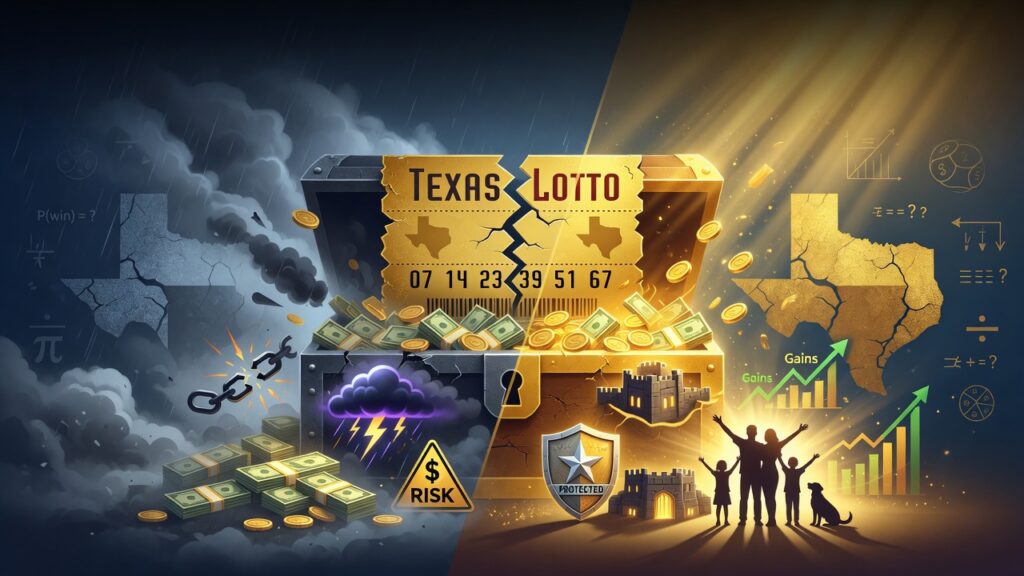
The Lottery Curse: Why So Many Big Winners Go Broke (and How to Protect Your Fortune)
Winning the lottery sounds like the ultimate happy ending — until you hear the stories of massive jackpots turning into financial disasters, broken relationships, and even tragedy. The so-called "lottery curse" has become a popular warning, with claims that up to 70% of winners end up broke within a few years.
But here's the truth: that widely repeated 70% statistic has been disavowed by its supposed source (the National Endowment for Financial Education in 2018) and lacks solid backing in large-scale research. While some winners do struggle, many others thrive when they plan carefully. The real risks come from sudden wealth shock, poor decisions, and external pressures — not some mystical curse.
At tachops.com, we believe in playing smart from ticket to payout. If lightning strikes in 2026, here's what actually causes problems for big winners and, more importantly, how you can protect your fortune.
The Real Reasons Winners Struggle
Sudden wealth can overwhelm anyone. Common pitfalls include:
- Overspending and Lifestyle Inflation: Going from modest means to millions often leads to extravagant purchases — multiple homes, luxury cars, gifts to everyone — without a sustainable plan. Money that seems endless quickly drains when daily expenses balloon.
- Bad Investments and Scams: Winners become targets for "friends," family, and con artists offering "sure-thing" business deals or investments. Without experience, many lose big on risky ventures.
- Family and Relationship Strain: Requests for money strain relationships. Some winners face lawsuits, demands, or even threats from those closest to them. Divorce rates can spike under the pressure.
- Lack of Privacy: Public claims lead to constant solicitations, harassment, and security risks. One famous winner reportedly dealt with an 80% spike in unwanted mail and attention.
- Emotional and Mental Health Challenges: The sudden shift can bring anxiety, depression, or isolation. Some turn to gambling, substances, or reckless behavior to cope.
Notable examples (drawn from public reports) include:
- Jack Whittaker (Powerball winner of over $300 million in 2002), who faced family issues, lawsuits, and significant losses after generous giving and business troubles.
- William "Bud" Post ($16.2 million in 1988), who declared bankruptcy amid family conflicts and debts.
- Other cases like Suzanne Mullins or Callie Rogers highlight how rapid spending on parties, gifts, and poor choices can erase winnings fast.
These stories grab headlines because they're dramatic — but they're not the majority. Many winners quietly build stable lives when they take the right steps.
How to Protect Your Fortune: Practical Steps for 2026 Winners
The good news? You can beat the odds of mismanagement with preparation and professional help. Here's a smart action plan:
- Stay Quiet and Secure the Ticket Sign the back immediately, take photos or a video for your records, and store it safely (like in a bank safe deposit box). Avoid announcing your win publicly until you have a plan. In many states, claiming through a trust can help maintain privacy.
- Assemble Your Professional Team First Before spending a dime, hire independent experts:
- A fee-only financial advisor (fiduciary, not commission-based)
- A CPA or tax professional familiar with large windfalls
- An estate planning attorney experienced with lottery winners Interview several and choose based on reputation, not hype.
- Understand Taxes Up Front Federal taxes on lottery winnings can take 24–37% or more, plus state taxes (important for Texas players — we'll cover Texas-specific claiming in detail soon). Plan for lump-sum vs. annuity options and set aside money for taxes immediately.
- Create a Thoughtful Financial Plan
- Park the money temporarily in a high-yield savings or money market account while you decide.
- Budget realistically: Treat a portion as "fun money" and the rest for long-term growth through diversified, low-risk investments like index funds or ETFs.
- Consider annuities for guaranteed income streams if stability matters to you.
- Set Boundaries with Giving and Lifestyle Decide in advance how much (if any) you'll share with family and friends. Written agreements or trusts can help manage expectations without drama. Avoid quitting your job impulsively or making huge purchases right away.
- Focus on Long-Term Protection Update or create an estate plan, consider trusts for asset protection, and review insurance (life, liability, etc.). Diversify investments and avoid get-rich-quick schemes.
- Prioritize Your Well-Being Work with a therapist or counselor experienced in sudden wealth. Maintain routines, hobbies, and real relationships that aren't tied to money.
Turning a Win Into Lasting Security
The "lottery curse" isn't inevitable — it's often just a lack of preparation meeting sudden opportunity. By treating a big win like the serious financial event it is (instead of instant freedom), you stack the odds in your favor for a truly better life.
If you're playing the Texas Lottery or national games like Powerball and Mega Millions, combine these protection habits with the mathematical strategies we covered in our guide: How to Win the Lottery in 2026: 10 Smart Strategies. Smart play before + smart management after = the best possible edge.
Have you ever wondered what you'd do if you won big? Share your thoughts in the comments — or tell us your favorite protective step. And remember: play responsibly, dream big, but plan even bigger.
Stay lucky and grounded, friends!